
Voice as a Service: Why Audio Quality Still Defines Citizen Services
AI dominated almost every conversation about service delivery in 2025, and it will continue to shape priorities through 2026 and beyond as it evolves. How organisations are using it, where it adds value, and whether it improves or complicates the human experience are questions being asked across every sector.
In contact centres, AI is nothing new. Automation, IVAs, routing and analytics have been part of the landscape for years. What has changed is how AI is being applied - not just to reduce demand, but to strengthen the channels that matter most.
And despite the growth of digital self-service, one channel continues to carry the most weight when stakes are high: voice.
When It Matters, People Still Call
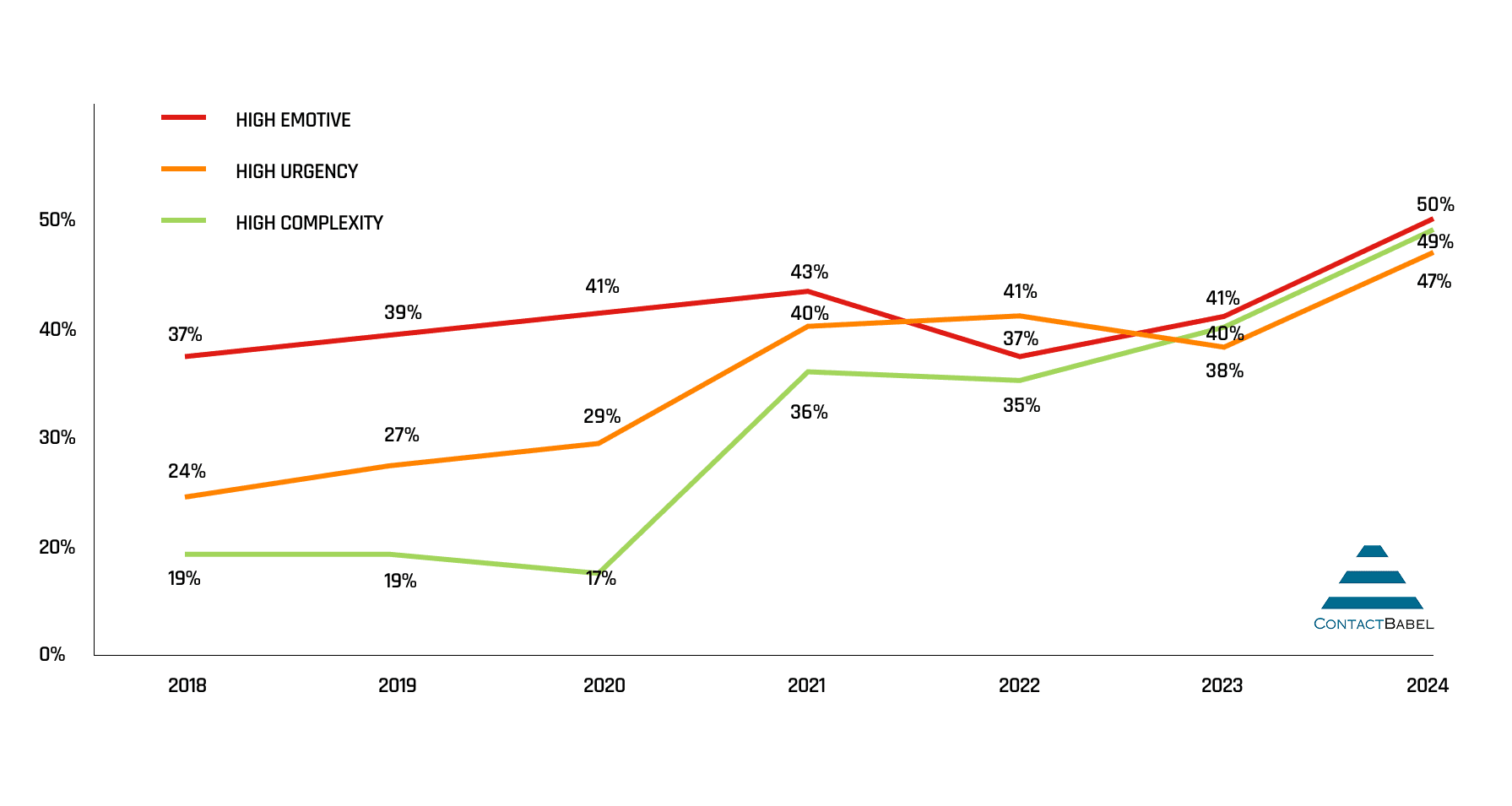
Think about the last time you chose to call rather than send an email or use a chatbot. It probably wasn’t because it was quick or easy. It was because the situation felt important, urgent, or emotionally charged.
That behaviour is consistent across demographics. ContactBabel data shows that when interactions involve urgency, complexity, or emotion, preference for phone calls rises significantly - reaching around 50% in recent years. Age makes little difference. When something truly matters, people want a human conversation, in real time.
Voice has become the channel people turn to when they need reassurance, clarity, or immediate action.
Why This Is Especially True in Citizen Services
Nowhere is this more apparent than in citizen services.
Local councils, housing associations, government departments and non-profits handle conversations that are rarely transactional. Calls often involve personal circumstances, distress, confusion, or vulnerability. Housing issues, benefits queries, safeguarding concerns, complaints, and financial pressure all demand empathy as much as efficiency.
As a result, voice remains a critical service channel - not because other options don’t exist, but because they aren’t always appropriate.
The Fragility of the Voice Channel
For all its importance, the voice channel is also one of the easiest to undermine.
Background noise in open offices or home-working environments, side conversations, keyboard noise, or even laughter can change how a caller interprets an interaction in seconds. A resident reporting a serious issue doesn’t hear “busy office” - they hear a lack of care or attention.
There is also a more serious risk. Citizen services frequently deal with sensitive personal information, and background noise increases the chance of conversations being overheard. That creates exposure not just in terms of trust, but also GDPR and regulatory compliance.
And then there’s repetition. ContactBabel research shows that around 30% of calls require callers to repeat themselves. Those moments may seem minor, but at scale they add real cost. With repetition estimated to cost £0.217 per call, a 250-seat contact centre can lose over £167,000 per year purely due to unclear audio.
Where AI Quietly Makes a Difference
This is where AI’s role in contact centres is evolving again.
Beyond automation and self-service, AI-powered noise cancellation software addresses one of the most persistent challenges in voice communication: uncontrolled sound environments. By removing background noise in real time, it helps ensure that what’s heard on both sides of the call is only what matters.
The impact is subtle but significant. Clearer conversations reduce repetition, shorten call times, and improve resolution. Just as importantly, they protect confidentiality and reinforce professionalism - particularly in high-emotion or sensitive interactions.
For organisations under constant pressure to manage costs, AI noise cancellation can also reduce reliance on expensive infrastructure like specialist headsets or acoustic panelling, supporting more flexible working models without sacrificing quality.
Strengthening Voice for the Long Term
There are many reasons organisations are investing heavily in digital channels, and rightly so. But voice isn’t disappearing. If anything, its role is becoming more defined.
Voice is where trust is built, problems are resolved, and people feel heard - especially in citizen services. AI-powered noise cancellation doesn’t replace human interaction; it reinforces it, ensuring that when people reach for the phone, the experience matches the importance of the moment.
As citizen services continue to digitise, the organisations that perform best will be those that protect the quality of their most human channel - not just the efficiency of their digital ones.
For teams who rely on voice every day, improving audio quality is no longer a technical detail. It’s a service decision.
If you’d like to explore this further, IRIS Clarity is one example of AI-powered noise cancellation software designed specifically to improve voice quality in contact centres, helping organisations reduce background noise, protect confidentiality, and support clearer conversations at scale.